The food delivery business is changing rapidly. In the age of convenience, businesses have no choice but to keep up with customers’ expectations of quick, smooth and reliable food delivery. Whether you run a chain of restaurants, are launching a virtual kitchen concept, or are creating the next big food delivery platform, Multi-Restaurant Delivery Software is now a staple of your business.
But what exactly is this software, and why is it so critical today?
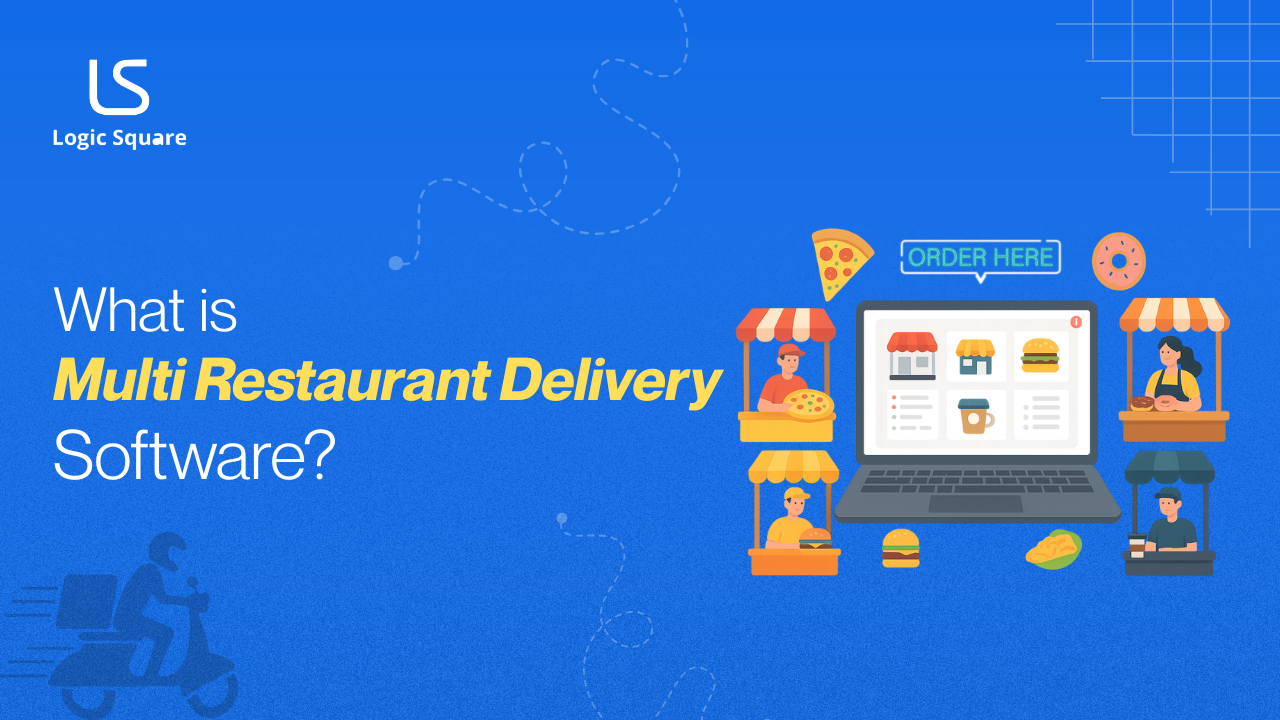
It is a centralized platform that manages orders, menus, payments, and deliveries across multiple restaurant brands or locations from a single dashboard, enabling businesses to run their own branded delivery network without relying on third-party aggregators like Uber Eats or DoorDash.
Let’s break down the essentials of Multi-Restaurant Delivery Software, its features, benefits, and why businesses looking to scale need to consider a partnership with a reliable custom mobile app development company to fully capitalize on its potential.
On this page+
Understanding Multi-Restaurant Delivery Software
At its core, this platform operates like a privately owned Uber Eats or DoorDash, built and branded for your business, giving you full control over operations, data, and customer relationships.
Explore how we approach consumer platform development for marketplaces and customer-facing products that must manage growing user activity, transactions, and operational complexity.
It\’s not just about delivering food. It\’s about streamlining operations, increasing scalability, and delivering an exceptional user experience across mobile and web platforms. From the moment a customer places an order to the time it\’s delivered, every interaction is managed through an integrated and intelligent system. What Are the Core Features of Multi-Restaurant Delivery Software?
Core Features of Multi-Restaurant Delivery Software
To operate efficiently and meet modern consumer expectations, Multi-Restaurant Delivery Software typically includes the following key components:
1. Centralized Restaurant Management
The software provides a master admin panel that lets business owners or platform managers oversee multiple restaurants in real-time. This includes:
- Menu management
- Restaurant availability status
- Location-based offerings
- Pricing updates
- Promotions and discounts
Everything is handled from a single dashboard, which simplifies operations across various branches or restaurant partners.
2. User-Friendly Customer Interface
An intuitive customer app or web interface is essential. Customers can:
- Browse restaurants based on location, cuisine, or popularity
- View menus and customizations
- Place orders and make payments securely
- Track deliveries in real time
A smooth front-end experience is key to driving customer satisfaction and repeat business.
3. Advanced Order Management
Restaurants receive orders through their own dashboard, which displays:
- Real-time notifications
- Order preparation timelines
- Customization requests
- Scheduled orders
This ensures a smooth kitchen workflow and minimal confusion during peak hours.
4. Integrated Delivery Management
Delivery is where things often get complex. Multi-Restaurant Delivery Software includes tools for:
- Assigning orders to drivers automatically
- Optimizing delivery routes
- Tracking delivery agents with GPS
- Providing ETA to customers
Drivers usually have their own app that shows order details, customer info, and live directions.
For a broader look at fleet management, dispatching, route optimization, shipment tracking, and delivery workflows, read this comprehensive logistics app development guide.
5. Payment Gateway Integration
The system supports multiple payment methods such as:
- Credit/debit cards
- Digital wallets
- Cash on delivery (optional)
- Coupons and gift cards
It also handles the financial side of things, automating commissions, payouts to restaurants and drivers, and maintaining transaction history.
6. Analytics & Reporting
Detailed insights on:
- Sales performance by restaurant
- Customer order behavior
- Delivery times and delays
- Peak order times
These analytics empower businesses to make data-driven decisions for marketing, operations, and staffing.
Why Do Businesses Need Multi-Restaurant Delivery Software?
1. Centralized Control for Scalability
As businesses grow and onboard more restaurant partners or open new branches, managing operations manually becomes impossible. This software centralizes all operations, reducing complexity and improving efficiency.
2. Enhanced Customer Experience
A seamless and personalized user experience results in greater customer satisfaction. Features like saved addresses, order history, and live tracking build loyalty and trust.
3. Operational Efficiency
From reducing order errors to optimizing delivery routes, automation reduces manpower and saves time. It also eliminates miscommunication between restaurants, delivery staff, and customers.
4. Competitive Edge
Owning a branded platform means businesses don’t have to rely on third-party aggregators. This leads to:
- Better profit margins (no hefty commissions)
- Ownership of customer data
- Customized marketing strategies
This is where the expertise of a custom mobile app development company becomes invaluable, offering a tailored platform that aligns with the brand’s unique value proposition.
Which Types of Businesses Benefit Most from Multi-Restaurant Delivery Software?
Multi-Restaurant Delivery Software is not limited to food delivery startups. It’s highly beneficial for:
- Restaurant Chains: To unify branches under one digital system.
- Cloud Kitchens: To manage multiple virtual brands from a single location.
- Aggregators: Entrepreneurs creating their own “Uber Eats” or “Grubhub” type platforms.
- Food Hubs: Complexes with multiple food vendors offering a shared delivery service.
Each use case benefits from the same base platform but may require customization depending on specific business models, which again highlights the role of a custom mobile app development company in designing flexible solutions.
What Are the Must-Have Modules in Multi-Restaurant Delivery Software?
1. Admin Dashboard
Where owners or platform managers can:
- Manage all restaurants and users
- View system analytics
- Set commission rates
- Configure delivery zones
2. Restaurant Panel
Used by restaurant managers to:
- Accept/decline orders
- Update food item availability
- View performance stats
- Communicate with customers or delivery agents
3. Driver App
Used by delivery personnel to:
- View and accept delivery requests
- Navigate to pickup/drop locations
- Update delivery status
- Receive payments/tips
4. Customer App
Where end users can:
- Browse, order, and pay
- Track their food live
- Leave reviews and feedback
Receive promotional alerts
Restaurants launching their first direct digital sales channel can follow this guide to setting up an online ordering system, including menus, payments, order management, customer communication, and delivery options.
Custom vs Off-the-Shelf Multi-Restaurant Software: Which Should You Choose?
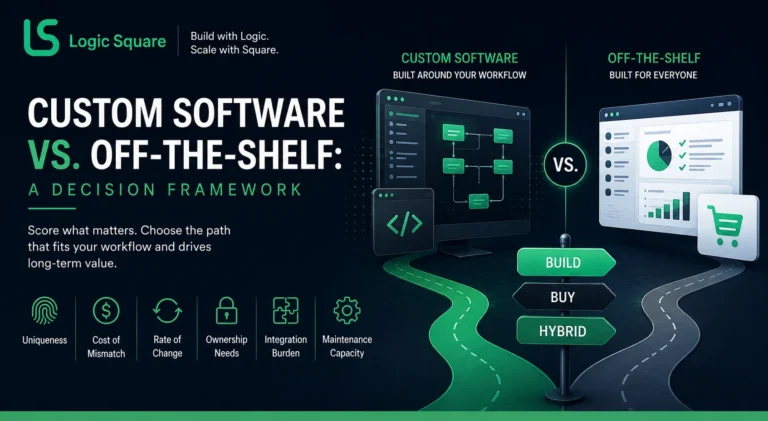
While off-the-shelf solutions may seem like a quick fix, they often lack the flexibility and branding needed to stand out in a competitive market. On the other hand, a custom mobile app development company can build a solution tailored to your:
- Business logic
- UI/UX preferences
- Integration needs (CRM, ERP, POS)
- Future scalability plans
Custom development allows for iterative improvements, future-proofing your platform as your business evolves.
What Challenges Does Multi-Restaurant Delivery Software Solve?
- Delayed Deliveries: Route optimization ensures speed.
- Order Errors: Real-time digital order tracking minimizes miscommunication.
- Customer Churn: Loyalty points and personalized offers drive retention.
- Manual Management: Automation reduces dependence on human input and errors.
What Are the Emerging Trends in Multi-Restaurant Delivery Software?
- AI-Based Personalization
Smart algorithms now suggest restaurants and meals based on browsing behavior and past orders. - Multi-Language Support
To cater to regional markets and diverse customer bases, multilingual interfaces are increasingly common. - Dynamic Pricing Models
Based on demand, peak times, and delivery zones, businesses are implementing flexible pricing strategies. - White Label Solutions
Startups often opt for white-label delivery apps that are branded for their business but built by third-party developers, often a fast route to launch while still offering customization.
What Does the Future of Multi-Restaurant Delivery Software Look Like?
Multi-Restaurant Delivery Software isn’t just a tool; it’s the backbone of modern, scalable food delivery businesses. It connects customers, restaurants, and delivery teams through a single ecosystem that enhances efficiency, speed, and satisfaction.
Whether you\’re a food delivery startup, an established restaurant chain, or a cloud kitchen looking to expand, investing in the right software is crucial. And if you want your platform to reflect your unique brand identity while meeting evolving customer expectations, it’s time to collaborate with LogicSquare Technologies, a custom mobile app development company that understands both technology and the food service industry.
The competition in the food delivery space is only intensifying. The businesses that thrive will be the ones that innovate, offering more than just food, but an experience that’s fast, smooth, and personalized at every touchpoint.
Frequently Asked Questions
What is multi-restaurant delivery software?
It’s a centralized platform to manage orders, menus, payments, and deliveries across multiple restaurant brands or locations from one dashboard. It includes a customer app, restaurant panel, driver app, and admin console — enabling businesses to run their own delivery network without relying on Uber Eats or DoorDash.
Who needs multi-restaurant delivery software?
Restaurant chains, cloud kitchens, food delivery startups, and food halls benefit most. If you’re coordinating orders, menus, or drivers across more than one brand or kitchen location, this software replaces manual processes with a single, automated system that scales as your business grows.
White-label vs custom multi-restaurant software — what's the difference?
White-label is pre-built and rebrandable — faster and cheaper but inflexible. Custom is built to your exact business logic, integrations, and scalability needs. White-label suits quick launches; custom suits businesses with unique workflows or long-term growth plans.
How does it handle payments and commissions?
The platform automatically splits payments between the restaurant, driver, and platform owner on every order. It supports cards, wallets, and cash on delivery while recording all transactions in real time — eliminating manual settlement and commission calculation entirely.
Work with us